The Nut Shop
guides · · 4 min read
Raw vs roasted nuts and what actually changes
Compare raw and roasted nuts on flavour, texture, shelf life and cooking, and learn when each one is the better choice for snacks, baking and butters.
Walk down any nut aisle and you will meet the same choice over and over: raw or roasted. It looks like a simple label, but the two behave quite differently in the kitchen. They taste different, crunch differently, keep differently and suit different jobs. Here is a plain look at what roasting actually does, and how to decide which one belongs in your basket.
What "raw" means
A raw nut has been shelled and dried but not cooked to a roasting temperature. It tends to be pale, a little soft and gentle in flavour. Raw nuts taste mild, sometimes slightly green or milky, with a sweetness that sits quietly in the background.
You can eat raw nuts as they are. Many people do. But they are also a starting point: a blank canvas for toasting, seasoning, grinding or soaking.
What roasting does
Heat changes nuts in a few ways.
- Flavour deepens. Browning reactions create new aroma compounds, giving that warm, toasty, almost caramel note. The Maillard reaction is the name for this kind of browning, and it is the same chemistry that makes toast and seared meat taste so good.
- Texture crisps. Roasting drives out a little moisture, so nuts snap rather than bend.
- Colour darkens. From ivory to gold to brown, depending on how far you push it.
- Aroma intensifies. Roasted nuts smell much stronger, which is a big part of why they taste more flavourful.
Roasting does not magically make nuts sweeter. It makes them taste more of themselves.
Dry roasted, oil roasted, flavoured
Not all roasted nuts are made the same way.
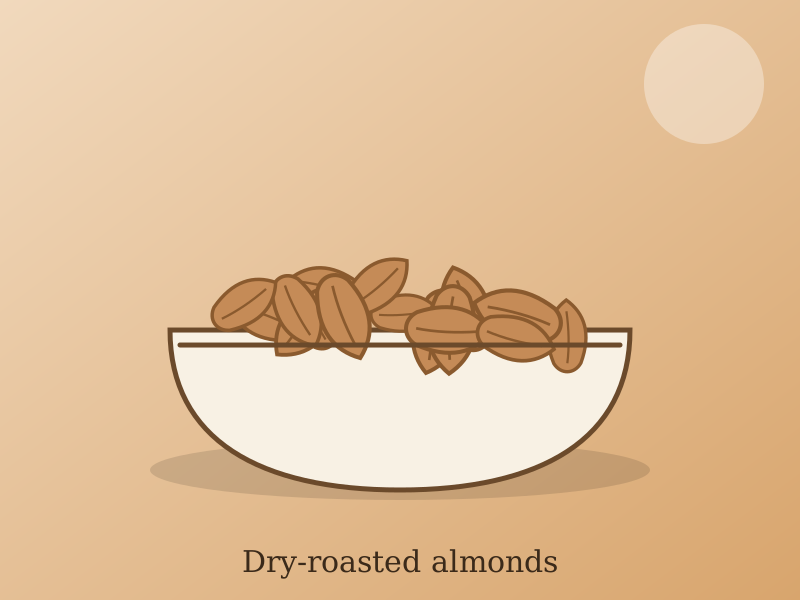
- Dry roasted: heated without added oil. The flavour is clean and nutty. Our dry-roasted almonds are an example.
- Oil roasted: cooked in a little oil, which can make the surface richer and glossier.
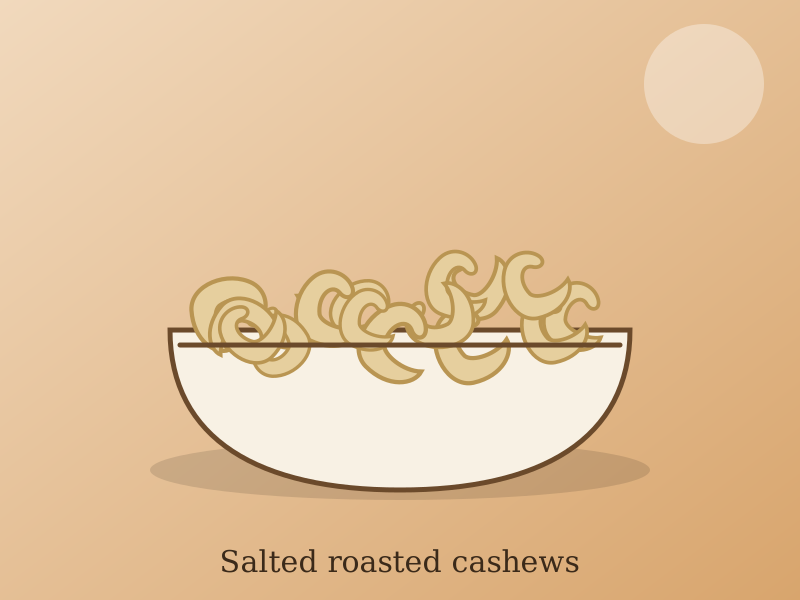
- Salted or flavoured: seasoning is added before or after roasting. The salted roasted cashews are a good illustration of how a little salt lifts a mild nut.
Check the ingredients if you care about added oil, salt or sugar. A pack that says "roasted" does not tell you which method was used.
Side-by-side comparison
| Raw | Roasted | |
|---|---|---|
| Flavour | Mild, milky, sweet | Toasty, rich, stronger |
| Texture | Firm to slightly soft | Crisp, snappy |
| Aroma | Faint | Strong |
| Best for | Baking, butters, soaking, home roasting | Snacking, toppings, trail mixes |
| Keeping | Longer in a cool, dark place | Shorter, since flavour fades faster |
The shelf-life point is worth noting. Roasted nuts have exposed, heat-treated surfaces and tend to lose their freshness sooner. For the details, read why nuts go rancid.
When to choose raw
Raw nuts are the better pick when you plan to do something else with them.
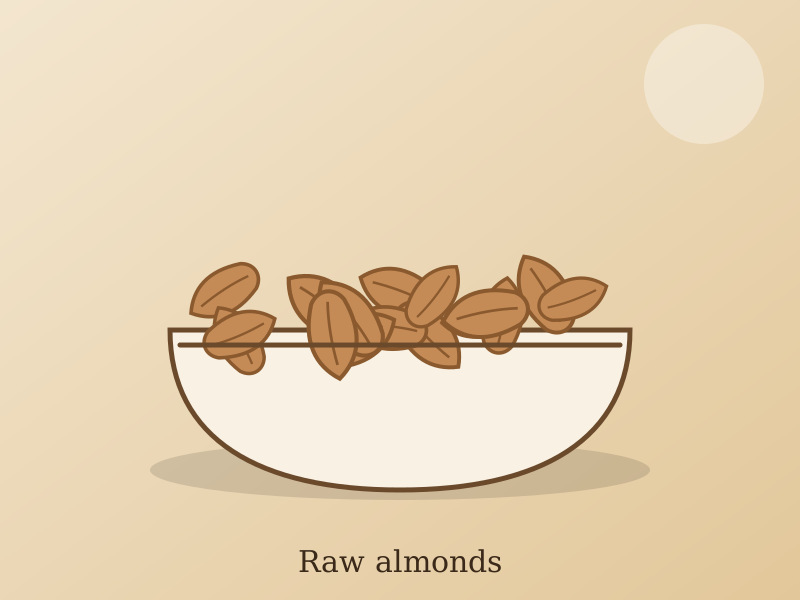
- Baking. Nuts bake in the oven anyway, so starting raw avoids over-toasting. A cake with raw almonds on top will brown nicely while it bakes.
- Making nut butter. Raw nuts can be roasted at home to the exact depth you want before blending.
- Home roasting. You control the colour and the seasoning. Try the method in how to roast almonds at home.
- Soaking and milks. Softer raw nuts blend more smoothly into creamy drinks and sauces.
- Long storage. If you will not eat them soon, raw nuts usually keep longer.
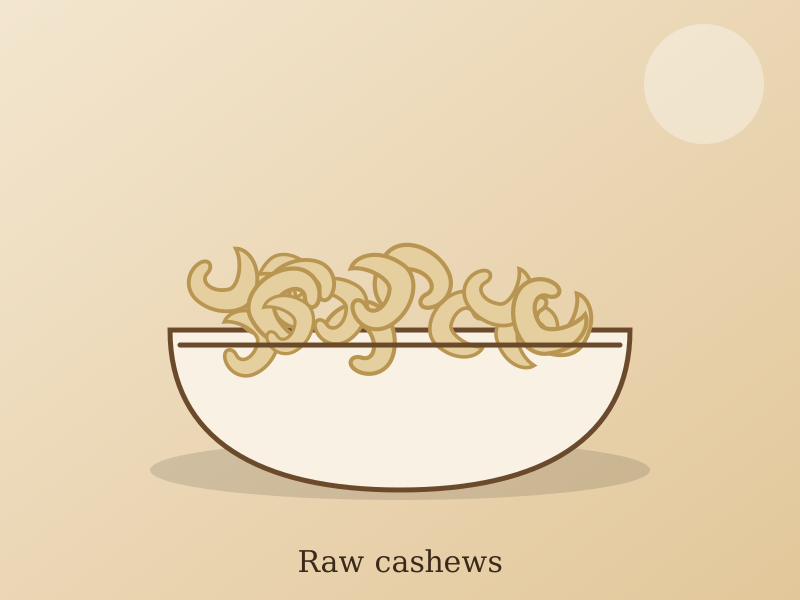
Raw cashews are a good example. They are soft, mild and creamy, which is exactly why they blend so well into sauces and desserts.
When to choose roasted
Roasted nuts win when you want flavour and crunch straight from the jar.
- Snacking. The aroma and snap are the point.
- Toppings. A handful of roasted nuts over salad, porridge or ice cream adds instant contrast.
- Trail mixes. Roasted nuts hold their crunch against dried fruit better than soft raw ones. See a guide to building a trail mix for how to combine them.
- Seasoned snacks. Salt, spices and glazes cling better to warm, roasted surfaces.
A word on "healthier"
It is tempting to say one type is better for you. We do not make claims like that here. Both are nuts, both are eaten in the same way, and the practical differences are about taste, texture and what you want to cook. If you have specific dietary questions, a registered dietitian is the right person to ask.
Can you roast raw nuts later?
Yes, and often it is a good idea. If you buy raw nuts and find they have gone slightly soft in a humid kitchen, a few minutes in a warm oven brings them back to life. Spread them on a tray at 150C (300F) for 5 to 8 minutes, then cool them completely. Roasted nuts cannot be un-roasted, so raw gives you more flexibility.
A last word
If you cook a lot, keep raw nuts in the cupboard and roast small batches when you need them. If you snack a lot, keep a jar of roasted ones nearby and replace it often. Either way, you cannot go far wrong, and the difference between them is a good excuse to try both side by side.