The Nut Shop
storage · · 4 min read
Why nuts go rancid
Learn why nuts turn rancid, from oxidation of natural oils to heat and light, and how to spot the smell, taste and look of stale nuts.

Everyone has bitten into a stale nut and regretted it. The taste is sharp, a bit soapy, sometimes like old paint or a forgotten crayon. It spoils a snack, ruins a cake and makes you wonder how a bag that smelled so good last month could turn so quickly. The explanation is chemistry, and once you know it, the storage rules make perfect sense.
What rancid actually means
Rancid describes fats and oils that have broken down and developed unpleasant flavours and smells. Nuts are rich in natural oils, which gives them their creamy texture and rich taste. Those same oils are what make them vulnerable.
Rancidification is the general name for the process. It does not mean a nut has been contaminated. It means the nut's own fat has changed.
The main cause: oxidation
Most rancidity in nuts comes from oxidation. Oxygen in the air reacts with the unsaturated fats in the oil, breaking them into smaller molecules. Some of those molecules are volatile and smell strong, which is what you notice as the off aroma.
Oxidation happens slowly in a sealed, cool, dark space, and faster in warm, bright, airy ones. Several things speed it up:
- Heat. Warm temperatures increase the rate of nearly every chemical reaction, including this one.
- Light. Sunlight and strong indoor light give energy to the reactions.
- Air. More oxygen means more oxidation. An opened bag is exposed to fresh air every time.
- Exposed surfaces. A nut with a broken surface has more oil in contact with air than a whole one.
Not all nuts are equal
Nuts differ in the kind of fat they hold, and that affects how quickly they turn.
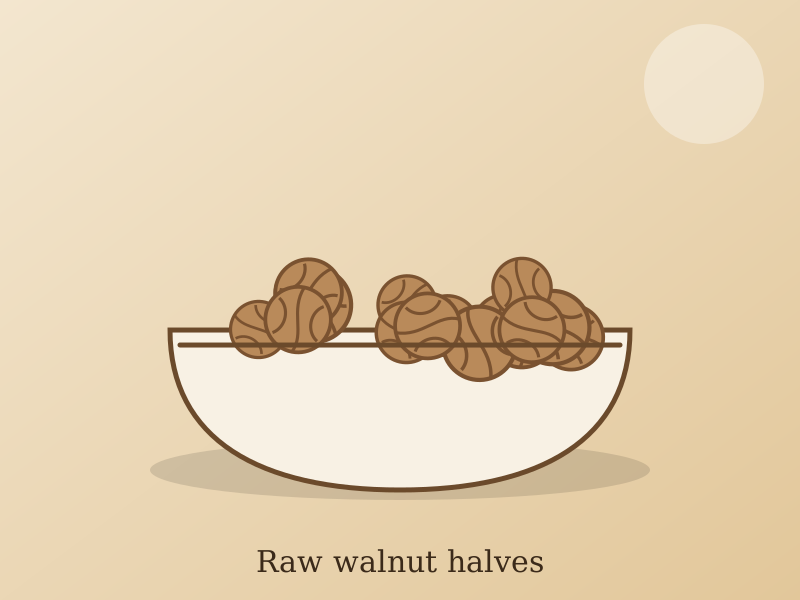
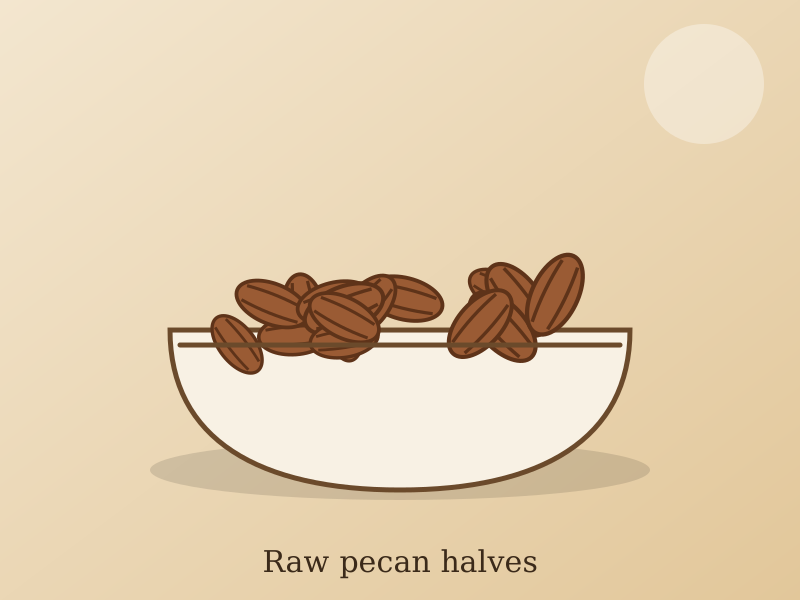
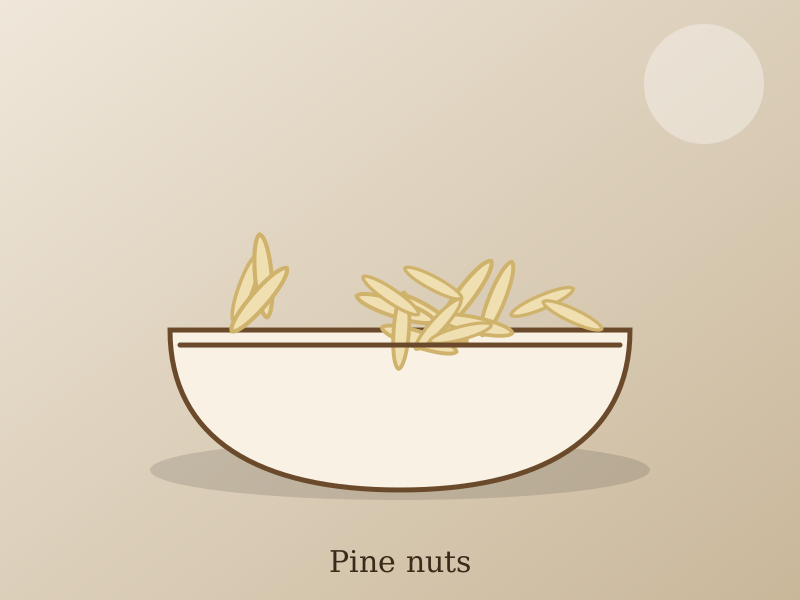
- Walnuts, pecans and pine nuts contain higher levels of polyunsaturated fats, which oxidise more readily. They are among the quickest to go stale. See raw walnut halves, raw pecan halves and pine nuts for some examples.
- Almonds, hazelnuts and cashews are somewhat more stable, though they still change over time.
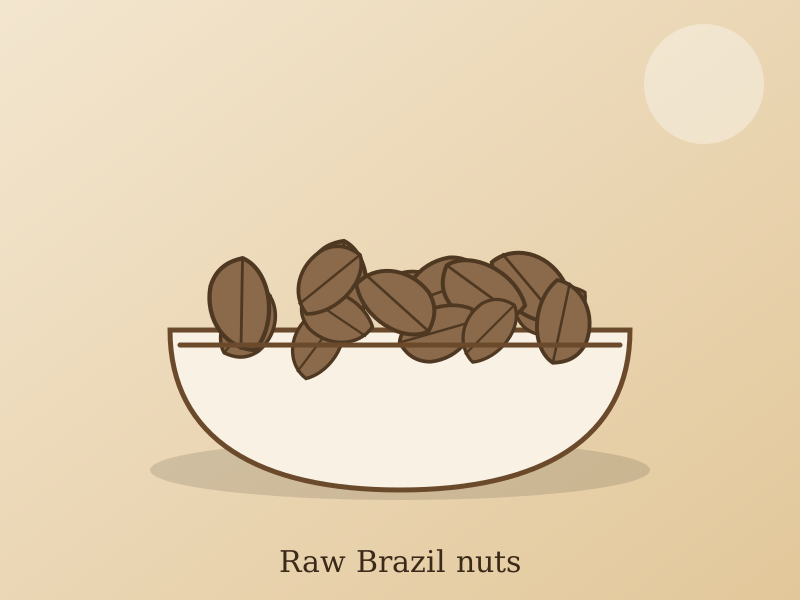
- Brazil nuts are very rich in oil, so raw Brazil nuts benefit from cool, sealed storage like the others.
This is a general pattern rather than a precise ranking. Variety, handling and storage conditions all play a role, so use your senses rather than assuming a date on the packet is the whole story.
Why chopped, ground and roasted nuts go faster
Surface area matters. A whole nut has a protective shell, or at least an intact skin, that limits how much oil meets the air. Chop it and you expose more. Grind it into powder and you expose a great deal more.
Roasting adds heat, which changes the structure of the nut and can drive some oils toward the surface. Roasted nuts often taste wonderful at first and fade faster. That is why a jar of roasted almonds is usually best eaten within a few weeks, while raw whole ones may last much longer. The differences are covered in raw vs roasted nuts.
How to spot rancid nuts
Your senses are the best test.
- Smell first. Fresh nuts smell sweet, nutty or neutral. Rancid ones smell sharp, sour, bitter, soapy, or like paint, putty or old oil.
- Then taste one. A harsh, bitter or metallic taste is the giveaway. If it tastes wrong, stop eating and discard the batch.
- Look at texture. Rancid nuts can feel slightly oily, sticky or limp, though soft nuts are not always rancid.
- Check for mould. This is a different problem entirely. Any visible mould, dark patches or a damp, musty smell means the nuts should go in the bin.
Do not rely on appearance alone. Nuts can look perfectly fine and still taste off. And be cautious about eating nuts you suspect have turned. They may not be dangerous in small amounts, but the flavour is awful, and when in doubt, throw them out. If you have concerns about food safety, a qualified professional can advise you.
Keeping rancidity at bay
You cannot stop oxidation completely, but you can slow it dramatically.
- Keep them cool. A cool cupboard is good. The fridge is better. The freezer is best for long storage.
- Keep them dark. Use opaque containers, or store clear jars in a closed cupboard.
- Keep them sealed. Airtight containers, freezer bags with the air pressed out, or vacuum-sealed pouches all help.
- Buy small. Especially for oily nuts you only use occasionally.
- Label and rotate. Write the date on the container and use the oldest first.
- Buy whole when you can. Chop or grind just before use.
Our full guide to this topic is storing nuts so they stay fresh, including how to bring nuts out of cold storage without making them soggy.
Can you rescue slightly stale nuts?
If nuts are merely soft, not rancid, a few minutes in a warm oven at 150C (300F) will crisp them up. But heat cannot fix a rancid flavour. Once the oils have turned, the taste is baked in, and toasting just makes it more obvious. If a nut smells or tastes wrong, it is past saving.
A last word
Rancidity is not a mystery or a sign that something went wrong at the shop. It is a natural result of what nuts are made of: tasty, oily and sensitive to air. Cool, dark and sealed will keep most nuts tasting the way they should. And if you sniff a jar and the smell makes you wince, trust your nose and start fresh.