The Nut Shop
guides · · 3 min read
Are peanuts really nuts? A plain explainer
Peanuts grow underground and belong to the legume family, yet they are treated as nuts in the kitchen. Here is how botany and cooking differ.
Ask a botanist and a cook whether a peanut is a nut, and you may get two different answers. Both are right. The disagreement comes from the fact that "nut" means one thing in a plant science lecture and something quite different at the supermarket. Here is the short, friendly guide.
What the botanist says
In botany, a true nut is a hard-shelled fruit that does not split open to release its seed. Chestnuts and hazelnuts fit that description. So do acorns.
Peanuts do not. The peanut plant is a legume, in the same family as peas, beans and lentils. The peanut shell is a pod, and that pod holds seeds, much like a pea pod does. The botanical story is covered on the peanut page on Wikipedia.
So by the strict plant definition, a peanut is a legume, not a nut.
How peanuts grow
Peanuts have a curious habit. The plant flowers above ground, then the flower stalk bends down, pushes into the soil, and the pod develops underground. That is why peanuts are sometimes called groundnuts.
Pea pods grow in the air, and peanut pods grow in the soil. It is one of the more unusual things in the plant world, and the reason peanuts are harvested by digging up the plant.
What the cook says
In the kitchen, a nut is any dry, crunchy, oil-rich kernel that you can eat on its own, roast, grind or bake with. That includes almonds, cashews, walnuts and pecans. It also includes peanuts, which behave just like them.
Peanuts are roasted, salted, ground into butter, scattered over salads and crushed into sauces, exactly as other nuts are. For anyone shopping, cooking or snacking, a peanut is a nut in every way that counts.
Not every "nut" is a nut
If you start looking, the list of exceptions is long:
- Almonds are seeds of a stone fruit, related to peaches.
- Cashews are seeds that hang from the outside of a fruit stalk. (We cover the oddities in where cashews come from.)
- Pistachios and pine nuts are also seeds.
- Brazil nuts are seeds from a large pod.
The food world uses "nut" as a loose, practical word for a whole group of similar-looking foods. Botanists use it for a narrow category. Both usages are fine, as long as you know which one is being used.
Why this matters for allergies
This is where the distinction is more than trivia. Peanut allergy and tree nut allergy are separate things. Peanuts are legumes, while tree nuts such as walnuts, almonds and cashews come from trees. Allergy labels and advice often treat the two groups separately, and some people are allergic to one group but not the other. You can read general background on peanut allergy and on tree nut allergy.
Because peanuts and tree nuts are often handled in the same places, labels commonly mention both. Our guide to reading food labels for nut allergies explains what to look for. This is general information only, not medical advice. Always read the label, and ask a qualified professional about any medical question.
Peanuts in the kitchen
Peanuts are among the most versatile nuts you can cook with.
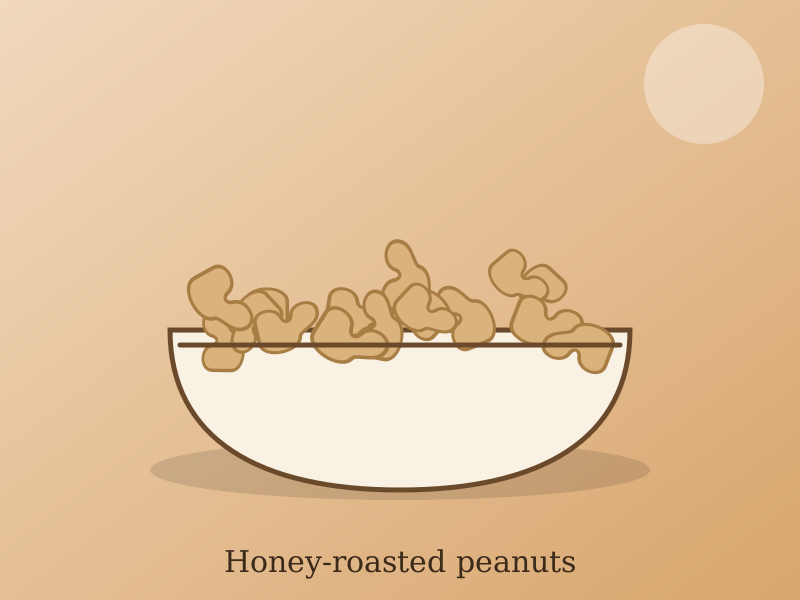
- Snack on honey-roasted peanuts for a sweet-and-salty crunch.
- Spread smooth peanut butter on toast, or reach for crunchy peanut butter if you like texture.
- Roast raw peanuts yourself at about 160C (325F) for 15 to 20 minutes, until they smell warm and nutty.
- Grind them for satay-style sauces, or crush them over noodles.
Making your own spread is simple, and our post on homemade nut butter works for peanuts as well as almonds.
So, are they nuts?
Botanically, no. In the kitchen, yes. Pick whichever answer suits the conversation. At a dinner table, "yes" is the friendlier option. In a botany class, you will want to say "legume" and look quietly pleased with yourself.