The Nut Shop
recipes · · 4 min read
Homemade nut butter in a food processor
Turn roasted nuts into smooth, spoonable nut butter with a food processor. Quantities, timings and fixes for when the mixture goes stubborn.
Nut butter is one of the more magical things a food processor does. You tip in a heap of dry, crunchy nuts, press the button, and a few minutes later you are scraping a glossy, pourable spread out of the bowl. There is no secret ingredient. The nuts simply release their own oil as the blades break them down, and that oil turns the powder into butter.
This guide covers the method, the timings you can expect, and what to do when things look like they have gone wrong. They almost never have.
What you need
For roughly one standard jar (about 300 g or 10 oz of finished butter):
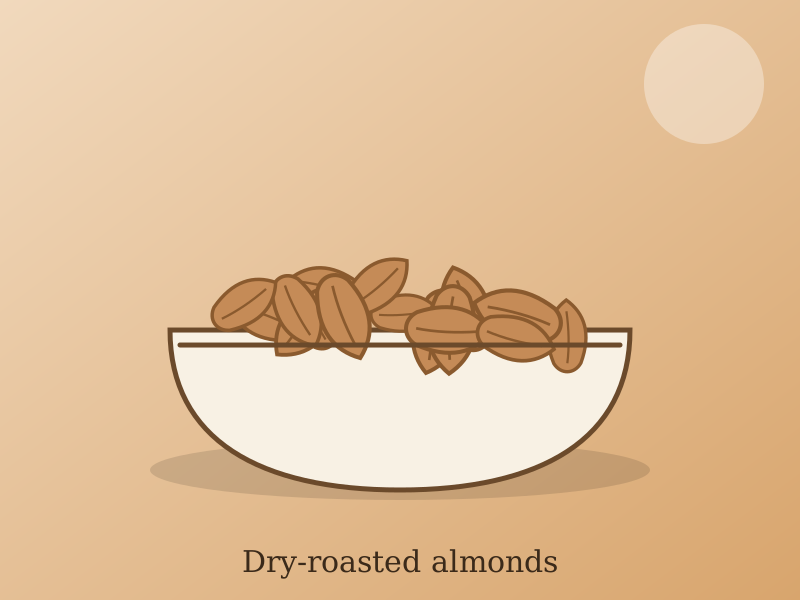
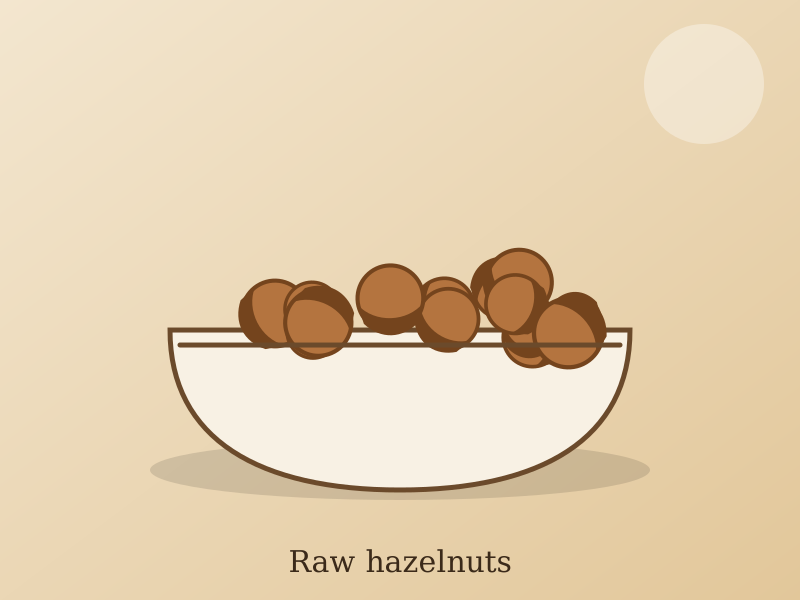
- 350 g (12 oz) nuts, such as dry-roasted almonds, roasted hazelnuts or roasted peanuts
- 1/2 teaspoon fine salt, or to taste
- 1 to 2 teaspoons neutral oil, only if the butter stays thick
- Optional: 1 tablespoon maple syrup or honey, a pinch of cinnamon
You also need a food processor with a decent motor and a bowl of at least 1.5 litres. A small chopper will overheat. A high-powered blender can work, but it needs a tamper and patience.
Start with warm, roasted nuts
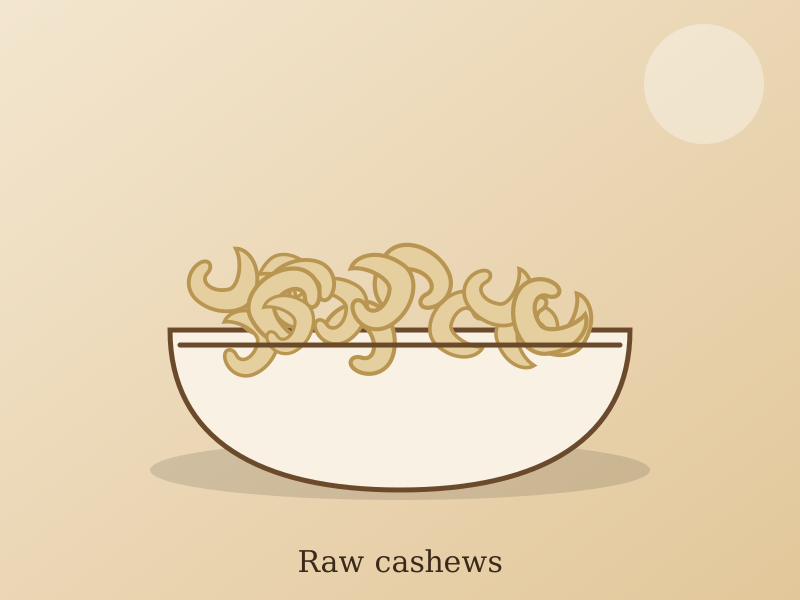
Roasted nuts make better butter than raw ones. Heat loosens the oils and brings out flavour, so the nuts break down faster and taste deeper. If you are starting with raw cashews or raw almonds, roast them first on a tray at 160C (325F) for 10 to 12 minutes, until fragrant and lightly golden. Our guide on how to roast almonds at home walks through the details.
Let them cool for about five minutes. You want them warm, not hot. Warm nuts blend more easily, while piping hot ones can scorch the motor of a weaker machine.
The method
- Tip the warm nuts into the food processor and add the salt.
- Run the machine for 1 minute. The nuts will become a coarse crumb.
- Scrape down the sides and run for another 1 to 2 minutes. You will get a dry, sandy powder that clumps up into a ball.
- Scrape again. Run for 2 to 3 minutes. The ball will collapse into a thick paste as the oil starts to flow.
- Keep going for a further 2 to 4 minutes, pausing to scrape every minute or so, until the butter is glossy and smooth.
- Taste, then add any sweetener, spice or a teaspoon of oil. Pulse for 20 seconds to mix.
In total, expect 6 to 10 minutes for almonds and peanuts, and somewhere around 8 to 12 for harder nuts. Hazelnuts are generous with their oil and often finish sooner. If the bowl feels hot to the touch, switch off for five minutes and let it rest.
Troubleshooting
It will not turn smooth
Almost always, this is a patience problem. The powder stage looks hopeless and then suddenly it is not. Keep running, and keep scraping. If it still looks stiff after ten minutes, add a teaspoon of neutral oil and run again.
It is gritty
Some nuts, almonds in particular, leave a fine grain even when well processed. Run it a couple of minutes longer, or accept a slightly rustic texture. Plenty of people prefer it.
It is runny
Warm nut butter is thinner than cold. Pour it into a jar and leave it for an hour before judging. If it is still loose, a tablespoon of finely ground nuts stirred in will thicken it.
The oil has separated
That is normal in any butter without added stabilisers. Stir it back in. Storing the jar upside down for a day before you open it helps redistribute things.
Flavour ideas
- Cinnamon and a spoonful of maple syrup into almond butter
- A little cocoa powder and sugar into hazelnut butter, which lands somewhere near a hazelnut cocoa spread
- Flaky salt and a squeeze of honey into peanut butter
- A pinch of chilli flakes into cashew butter for something savoury
If you want chunks, remove a handful of nuts before the final blend, chop them roughly, and fold them in at the end.
Storing it
Spoon the butter into a clean, dry jar and cool it before sealing. It will keep in a cupboard for a couple of weeks, and longer in the fridge, where it firms up. Homemade butter has no preservatives, so use a clean spoon each time. The reasons fats turn stale are explained in why nuts go rancid, and the same advice applies here.
For background on the spread itself, the nut butter article on Wikipedia is a reasonable starting point.
Not in the mood to make it?
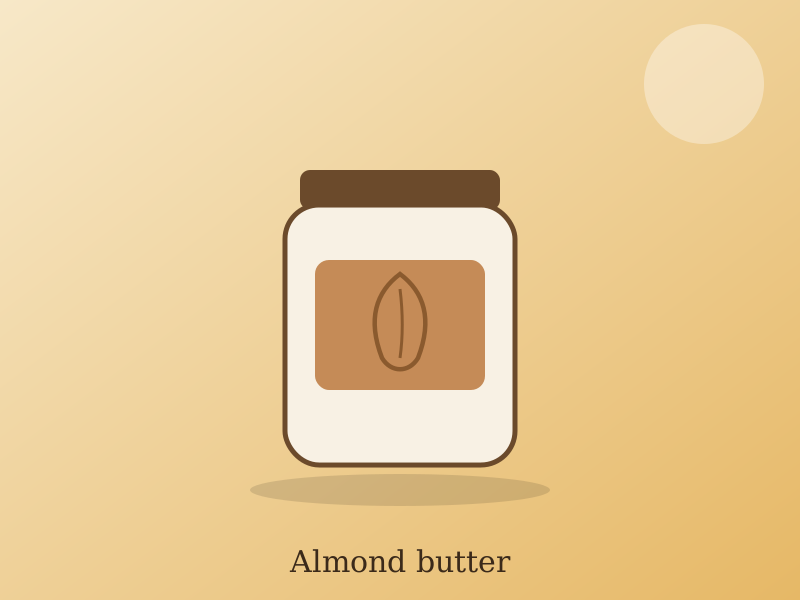
Fair enough. The nut butters category has ready-made jars, and a jar of almond butter is also a handy benchmark for the texture you are aiming for at home.
Whichever way you go, remember to check ingredient lists if anyone eating it has an allergy. Read the label, and ask a qualified professional about medical questions.